Scar tissue after injury or surgery - how soft tissue therapy restores movement
How scar tissue forms after injury or surgery, why the remodelling phase matters, and how soft tissue therapy at Warrior restores movement in London.
What scar tissue actually is
Scar tissue is the bodys natural repair material, laid down to close a wound after injury or surgery. It is a normal and necessary part of healing, but its quality varies hugely. Well managed scar tissue restores function and movement; poorly managed scar tissue can stay stiff for years, restrict performance, and force the body into compensatory patterns far from the original injury.
In clinic, I see this difference every week. The same injury can heal into supple, gliding tissue or into a stubborn restriction, and a lot of that comes down to what is done during one specific window of healing.
The wound healing cycle, and the window that matters
Healing runs through three phases, and understanding them is what makes the difference between guessing and treating with intent.
1. Haemostasis and inflammation.
Immediately after injury, the body clots and stabilises the site, and white blood cells clear debris. This acute stage is essential but short.
2. Cellular proliferation (roughly 1 to 3 weeks).
Granulation tissue forms, new blood vessels grow, the wound contracts and the surface closes. This lays the foundation of the new tissue.
3. Remodelling and maturation (from around 3 weeks onwards).
Inflammation winds down, fibroblasts reorganise, and the weaker early collagen (type III) is gradually replaced by stronger, better-organised collagen (type I).
The remodelling phase is where skilled manual therapy earns its place. The tissue is still plastic enough to respond to careful mobilisation, yet mature enough that the changes hold.
Work too early and you disrupt a fragile repair; leave it untouched and you can be left with adhesions that did not need to form.
Hypertrophic and keloid scars - knowing the difference
Not all scars behave the same way, and recognising the type guides both the treatment and what we can honestly promise.
Hypertrophic scars are raised but stay within the original wound boundary. They often appear 6 to 8 weeks after the wound seals, and many flatten and improve over time with the right management.
Keloid scars extend beyond the original wound margins, contain dense collagen bundles, and have a strong genetic component. They are more common in some ethnic groups and tend to be more prevalent in women. Once established, keloids are difficult to resolve fully and can recur.
Early intervention matters most for anyone with a known tendency to scar. Reducing tension across the healing site, using silicone products at the first sign of thickening or itchiness, and introducing controlled manual therapy can all influence the outcome.
How we treat scar tissue at Warrior
There is no single technique. We match the approach to the person and the stage of healing, combining:
Myofascial release, passive and active
Cupping with directional strokes
Instrument-assisted soft tissue mobilisation
Compression therapy and kinesiology taping
Weight-bearing and functional scar mobilisation
Careful work on deeper, less visible internal adhesions
Post-surgical cases need adapting. After an Achilles repair, for example, many surgeons prefer the scar left alone for the first two months, after which controlled loading and manual therapy can improve tissue quality.
With knee replacements or ACL reconstructions, we often address porthole scars, fat pad restriction, and limited patellar movement.
For breast cancer survivors, we treat post-operative scarring and axillary web syndrome (cording) with myofascial techniques and manual lymphatic drainage.
Even very old scars can change. I have seen meaningful gains in pliability and comfort in an 18-year-old keloid over an Achilles repair, with consistent, skilled work.
*If you are dealing with a restrictive scar after surgery or injury, a soft tissue assessment is the clearest way to know what can be improved. Book an assessment with our team.*
Why treating scar tissue is about more than appearance
The functional reasons matter more than the cosmetic ones:
Restoring glide and pliability between tissue layers
Preventing fluid entrapment and stagnant swelling
Desensitising hypersensitive areas
Improving range of motion and force transmission
Reducing compensatory movement patterns
Better overall function and athletic performance
Scar tissue that stays stiff or adhered acts like a straight-jacket across the myofascial planes, affecting movement well beyond the original injury site.
Frequently asked questions
How long after surgery can scar tissue be treated?
It depends on the procedure. Surface scars can often be worked gently once fully closed, but post-surgical cases such as Achilles repairs are usually left untouched for around two months on the surgeon's guidance. An assessment confirms what is safe for your specific case.
Can old scar tissue still be improved?
Yes. While very old or keloid scars are harder to change, consistent, skilled manual therapy can still improve pliability and comfort, even in scars many years old.
Is scar tissue treatment painful?
It should be manageable. Techniques are adapted to the stage of healing and your tolerance. Some firmer work can feel intense, but it should never be something you simply endure without progress.
What is the difference between a hypertrophic scar and a keloid?
A hypertrophic scar stays within the original wound boundary and often improves over time. A keloid grows beyond the wound margins, has a genetic component, and is harder to resolve. The distinction guides realistic expectations.
Your next step
If a scar from surgery or a soft tissue injury is limiting how you move, a specialist assessment is the best place to start. Our soft tissue team treats scar tissue at our Shoreditch and Hoxton clinics.
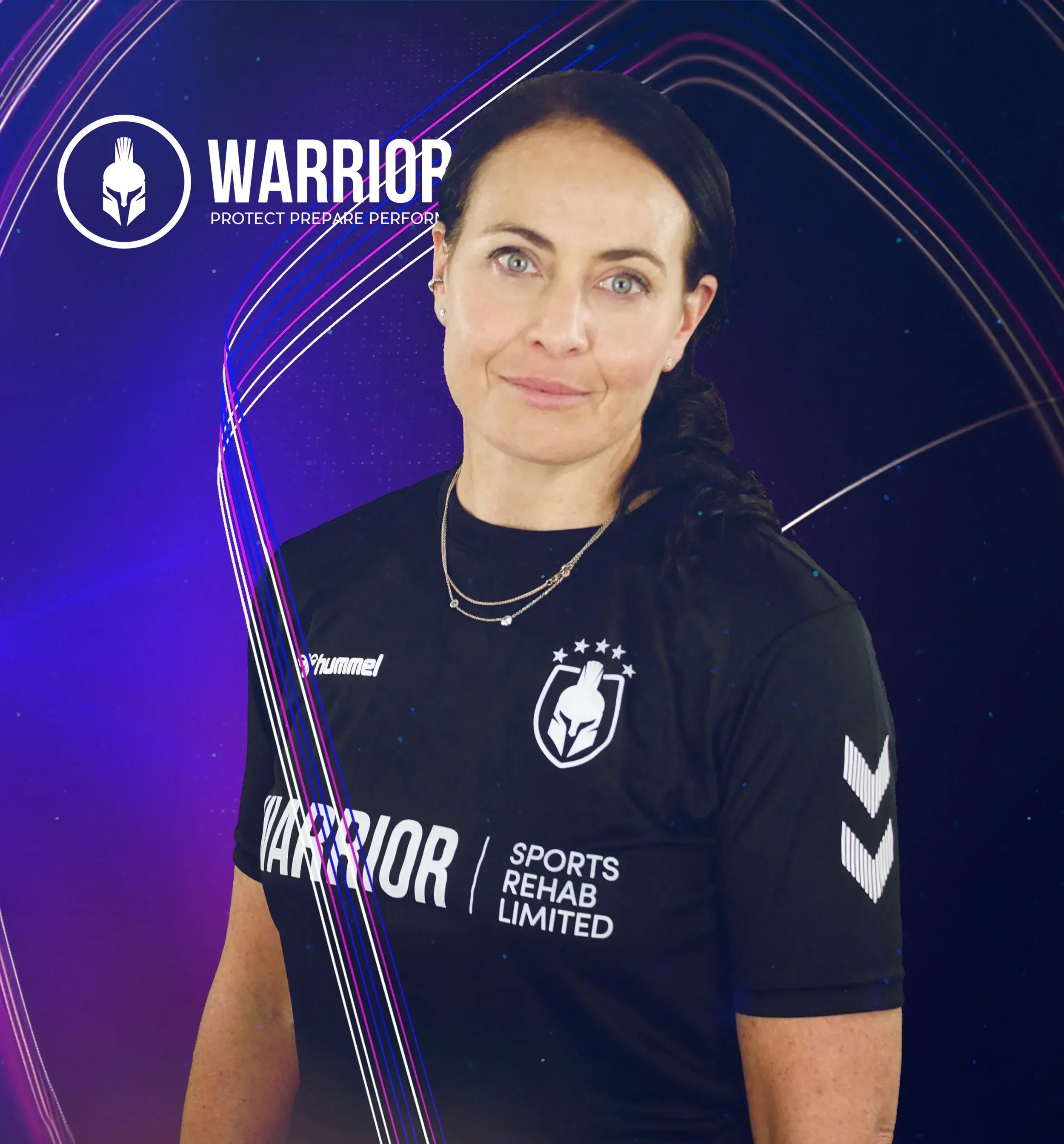
Wendy Hilton - Consultant Soft Tissue Therapist at Warrior Sports Rehabilitation.
Wendy specialises in soft tissue therapy and scar tissue management for athletes and post- operative patients across our London clinics.